As the Moroccan real estate market continues to attract investors and homebuyers alike, Villas for sale Tamara have become a focal point for those seeking luxury properties. With its unique blend of traditional and modern architecture, Morocco is not only a haven for those looking to buy or rent property but also for investors seeking to capitalize on the country’s growing economy and tourism industry, which includes high-end luxury homes.
1. Introduction
The allure of Moroccan real estate lies in its diverse offerings, from vibrant city apartments to serene countryside villas. For many, investing in Villas for sale Tamara or other properties in Morocco is not just about owning a home; it’s about securing a valuable asset against inflation or generating rental income. Meanwhile, the demand for luxury homes continues to grow, driven by Morocco’s appeal as a luxury tourism destination.
2. Documents & Legal Requirements
To navigate the Moroccan real estate market effectively, understanding the necessary documents and legal requirements is crucial. Key documents include the title deed (_titre de propriété_), sales agreement (_contrat de vente_), and documents proving the seller’s identity and property ownership status. Engaging a notary (_notaire_) is mandatory for verifying the transaction’s legality and ensuring the property’s title is clear. Buyers should also be aware of additional costs such as agency fees, taxes, and registration fees with the land registry.
3. Market Overview & Price Trends
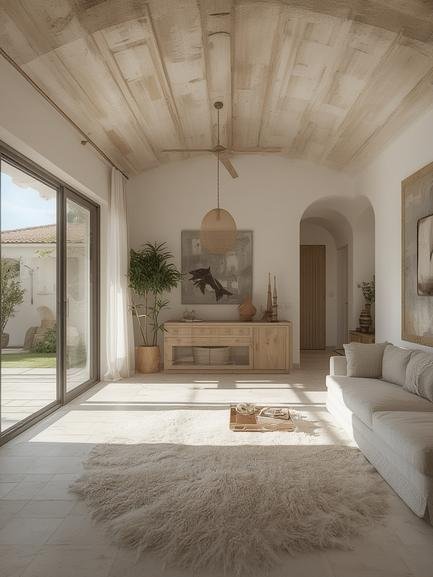
The Moroccan real estate market is characterized by diverse trends across different regions. Cities like Marrakech and Agadir are popular for their tourism potential, driving demand for properties, including Villas for sale Tamara. Casablanca and Rabat, being major economic and administrative hubs, attract a different type of buyer, often looking for luxury homes or commercial properties. Prices vary significantly based on location, property type, and amenities. For instance, a villa in a sought-after area like Tamara can range from 2 million to over 10 million MAD, depending on its size and luxury features.
4. Step-by-Step Buying/Selling Guide

Buying or selling property in Morocco involves several steps:
1. Define your budget and requirements.
2. Search for properties or potential buyers.
3. Conduct property visits and shortlist.
4. Negotiate the price.
5. Sign a preliminary sales agreement (_contrat de promesse de vente_).
6. Engage a notary for the final deed.
7. Complete the payment and registration.
For those interested in Villas for sale Tamara, this process can be particularly rewarding, offering a unique blend of lifestyle and investment potential. Similarly, luxury homes in prime locations are in high demand, making them a lucrative investment.
5. Renting & Rental Investment
Renting in Morocco can be an attractive option for those not ready to buy. Rental contracts typically last one year and are renewable. Landlords must provide a furnished or unfurnished property that meets basic habitation standards, while tenants are expected to pay rent on time and maintain the property. For investors, rental yields can be appealing, especially in tourist areas. However, it’s essential to consider the legal framework and potential risks, such as non-payment by tenants.
6. Financing & Mortgages
Moroccan banks offer various mortgage products, typically requiring a down payment of 30% to 40% of the property’s value. Interest rates and loan durations vary, and borrowers must demonstrate a stable income and good credit history. Understanding the terms and conditions of mortgage products is crucial for potential buyers.
7. Risks, Scams & How to Avoid Them
The Moroccan real estate market, like any other, comes with its risks. Common issues include properties without clear titles, hidden charges, and unrealistic prices. To mitigate these risks, buyers should work with reputable agents, verify all documents, and use a notary. Being cautious and informed can significantly reduce the risk of falling prey to scams.
8. Future Outlook of the Moroccan Real Estate Market
The Moroccan real estate market is poised for continued growth, driven by infrastructure projects, tourism development, and a growing expat community. Areas like Tamara, with its attractive villas, are expected to remain in demand. Investors and buyers should keep an eye on economic indicators, government policies, and global trends that could impact the market.
9. Conclusion
In conclusion, the Moroccan real estate market offers a range of opportunities for buyers, sellers, and investors. Whether you’re looking for Villas for sale Tamara or luxury homes, understanding the local market, legal requirements, and financing options is key to making informed decisions. As the market continues to evolve, staying informed and seeking professional advice when needed will be crucial for success.
10. FAQs
1. What are the typical costs associated with buying a property in Morocco?
– Costs include the purchase price, agency fees (typically 3% to 5% of the purchase price), notary fees, and registration fees.
2. Are there any specific taxes for foreigners buying property in Morocco?
– Foreigners are subject to the same taxes as locals, including a registration fee and value-added tax (VAT) in some cases.
3. How long does a typical property transaction take in Morocco?
– The process can take anywhere from a few weeks to a few months, depending on the complexity of the transaction and the parties involved.
4. Is it a good time to buy property in Morocco?
– The decision to buy depends on individual circumstances and goals. Currently, Morocco’s real estate market offers attractive opportunities, but it’s essential to conduct thorough research and consult with experts.
5. What precautions should foreigners take when buying property in Morocco?
– Foreigners should ensure they work with reputable agents, verify the property’s legal status, and understand all contractual obligations before signing any agreement.
2 thoughts on “Villas for Sale Tamara: 7 Essential Insights for Moroccan Real Estate”