Morocco’s real estate market is becoming increasingly attractive to both local and foreign investors, driven by its strategic location, economic growth, and tourism appeal. As potential buyers and investors explore opportunities in Urban land Tamara and various city plots, understanding the nuances of the market is crucial.
This guide provides a comprehensive overview of buying, selling, and renting property in Morocco.
1. Introduction
The Moroccan real estate market is experiencing significant growth, driven by increasing demand for housing and investment opportunities. Urban land Tamara has emerged as a key area for development, attracting attention from investors looking for promising city plots. Understanding the local real estate landscape is essential for making informed decisions.
2. Documents & Legal Requirements
To navigate the Moroccan real estate market effectively, it’s crucial to understand the necessary documents and legal requirements. Key documents include:
– Title deed: Verifies property ownership.
– Sales agreement: Outlines the terms of the sale.
– Notary: Involved in the validation of the sale.
– Land registry: Records property ownership and transactions.
– Taxes: Various taxes apply, including registration fees and value-added tax (VAT) where applicable.
– Agency fees: Typically paid by the buyer or seller for brokerage services.
Verifying property ownership and ensuring all legal requirements are met is vital to avoid future disputes or complications.
3. Market Overview & Price Trends
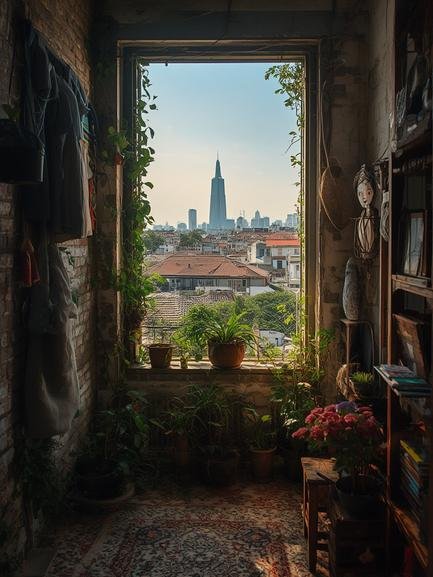
The Moroccan real estate market has seen varied trends across different cities. Casablanca, Rabat, Marrakech, and Tangier have distinct price evolutions based on demand, supply, and local economic conditions. Interest rates, government policies, and the overall economic context significantly influence property prices.
4. Step-by-Step Buying/Selling Guide

1. Define your budget and explore financing options.
2. Search for properties that meet your criteria, considering locations like Urban land Tamara for potential investment in city plots.
3. Visit potential properties and assess their condition and potential.
4. Negotiate the price based on market conditions and property value.
5. Sign a preliminary agreement, often with a deposit.
6. Complete notary procedures to validate the sale.
7. Finalize payment and register the property.
5. Renting & Rental Investment
Renting in Morocco involves understanding the rental contract, deposit requirements, and obligations for both tenants and landlords. For investors, rental yields vary by location and property type. Furnished vs. unfurnished rentals are also a consideration, with furnished properties often commanding higher rents.
6. Financing & Mortgages
Financing options in Morocco include bank mortgages with varying interest rates and loan durations. Banks assess borrower profiles based on income, credit history, and other factors. Understanding these requirements is crucial for securing a mortgage.
7. Risks, Scams & How to Avoid Them
Common risks include properties with unclear titles, unpaid charges, and unregistered contracts. To avoid these issues, verify all property documents, work with reputable agents, and ensure all transactions are legally compliant.
8. Future Outlook of the Moroccan Real Estate Market
The Moroccan real estate market is expected to continue growing, driven by economic development and tourism. Areas like Urban land Tamara are poised for further investment. Monitoring economic indicators and government policies will be key to understanding future trends.
9. Conclusion
In conclusion, navigating the Moroccan real estate market requires a comprehensive understanding of the legal, financial, and market aspects. Whether investing in Urban land Tamara or purchasing city plots, informed decision-making is crucial. Seek professional advice and stay updated on market trends to make the most of your real estate endeavors in Morocco.
10. FAQs
1. What are the typical costs associated with buying a property in Morocco?
– Typical costs include the purchase price, notary fees, registration fees, and agency fees.
2. How long does a real estate transaction typically take in Morocco?
– The duration can vary, but it generally takes a few weeks to a few months from the initial agreement to the final registration.
3. Is it a good time to buy property in Morocco?
– This depends on your investment goals and market conditions. Currently, Morocco offers attractive opportunities due to its growing economy and tourism sector.
4. What precautions should foreigners take when buying property in Morocco?
– Foreigners should ensure they understand local laws, verify property titles, and work with reputable agents to avoid potential issues.
5. What are the main taxes applicable to real estate transactions in Morocco?
– Main taxes include registration fees and value-added tax (VAT) where applicable.
Meta Description: Explore the Moroccan real estate market with a focus on Urban land Tamara. Understand the process of buying, selling, and renting property, and gain insights into market trends and legal requirements.
1 thought on “Urban land Tamara: Exclusive City Center Properties”