As Morocco continues to attract investors and homeowners alike, with its rich culture and growing economy, understanding the intricacies of its real estate market becomes increasingly important. For those looking to dive into the Moroccan property scene, Renovation Tamara projects are transforming neighborhoods, making home remodeling a key aspect of the market.
This guide will walk you through the essential steps and considerations for buying, selling, and renting property in Morocco.
1. Introduction
Morocco’s real estate market is dynamic, influenced by a mix of local demand, foreign investment, and government policies. As the economy grows and more tourists visit, the demand for housing and commercial spaces continues to rise. Whether you’re looking to invest in a Renovation Tamara project or seeking a new home, understanding the local real estate landscape is crucial. Similarly, home remodeling can significantly increase property value, making it an attractive option for investors. This guide will help you navigate the complexities of buying, selling, and renting property in Morocco.
2. Documents & Legal Requirements
To buy, sell, or rent a property in Morocco, several documents and legal steps are required. These include:
– Title Deed (Titre de Propriété): Verifies ownership. Ensure it’s registered with the Land Registry (Conservation Foncière).
– Sales Agreement (Contrat de Vente): Outlines the terms and conditions of the sale.
– Notary (Notaire): Involved in the sale process, ensuring legality and authenticity.
– Land Registry: Confirms the property’s legal status and any outstanding charges.
– Taxes and Fees: Various taxes apply, including registration fees, VAT (if applicable), and notary fees.
– Agency Fees: If using a real estate agent, their fees typically range between 3% to 5% of the transaction value.
Verifying property ownership and ensuring all documents are in order is crucial to avoiding legal issues.
3. Market Overview & Price Trends
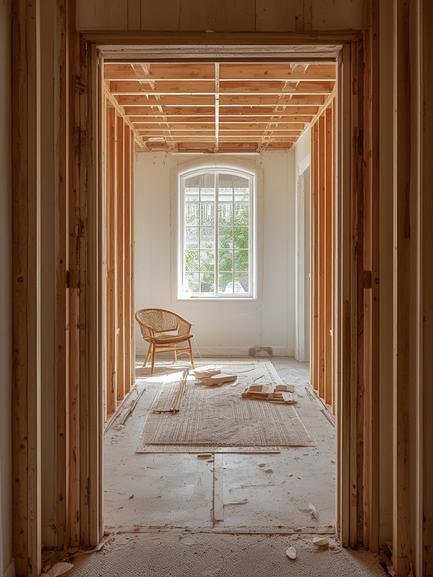
The Moroccan real estate market is characterized by varying price trends across different cities. Major cities like Casablanca, Rabat, and Marrakech see different demands based on their economic and tourist activities. For instance:
– Casablanca: The economic hub, with prices influenced by corporate demand.
– Marrakech: Tourist demand drives the market, with a focus on riads and apartments for rent.
– Rabat: As the capital, it sees steady demand for housing and official residences.
Interest rates, economic conditions, and government policies are key factors influencing prices. Currently, there’s a trend towards more affordable housing initiatives and investments in infrastructure.
4. Step-by-Step Buying/Selling Guide
1. Define Your Budget: Assess your financial capacity and explore financing options.
2. Search Listings: Look for properties that match your criteria, considering factors like location and condition. Projects like Renovation Tamara offer potential for renovation and resale.
3. Visit Properties: Inspect properties to assess their condition and potential for home remodeling.
4. Negotiate the Price: Based on market conditions and property condition, negotiate the best price.
5. Preliminary Agreement: Sign a preliminary sales agreement (contrat préliminaire de vente) outlining the terms.
6. Notary Procedures: The notary will handle the legal aspects, including verifying the property’s status.
7. Finalize the Sale: Complete the transaction, ensuring all legal and financial aspects are covered.
5. Renting & Rental Investment
Renting in Morocco involves understanding the rental contract (contrat de bail), which outlines the terms, including duration, rent, and responsibilities. For investors, rental yields can be attractive, especially in tourist areas. Consider:
– Furnished vs. Unfurnished: Furnished apartments are more common in tourist areas.
– Deposit and Rent: Typically, a deposit equal to one to three months’ rent is required.
– Tenant and Landlord Obligations: Clearly defined in the rental contract.
6. Financing & Mortgages
Financing options in Morocco include bank mortgages with varying interest rates and terms. Banks assess borrower profiles based on income, credit history, and other factors. Key considerations include:
– Contribution Requirements: Banks often require a significant down payment.
– Interest Rates: Can vary significantly based on the bank and loan terms.
– Loan Duration: Typically ranges from 10 to 20 years.
7. Risks, Scams & How to Avoid Them
Common risks include properties without clear titles, hidden charges, and unregistered contracts. To avoid these:
– Verify Property Documents: Ensure all documents are authentic and up-to-date.
– Work with Reputable Agents: Use licensed real estate agents to avoid scams.
– Understand Local Laws: Familiarize yourself with Moroccan real estate laws.
8. Future Outlook of the Moroccan Real Estate Market
The Moroccan real estate market is poised for continued growth, driven by tourism, economic development, and government initiatives. Cities like Marrakech and Casablanca are expected to remain hotspots. Factors to watch include government policies on housing, infrastructure development, and global economic trends.
9. Conclusion
Buying, selling, or renting property in Morocco requires a thorough understanding of the market and legal requirements. Whether you’re investing in a Renovation Tamara project or engaging in home remodeling, being informed is key. Seek professional advice and stay updated on market trends to make the most of your real estate endeavors in Morocco.
10. FAQs
1. What are the typical costs associated with buying a property in Morocco?
– Typical costs include the purchase price, notary fees (around 1%), registration fees, and agency fees if applicable.
2. How long does a real estate transaction take in Morocco?
– Transactions can take anywhere from a few weeks to a few months, depending on the complexity and the parties involved.
3. Is it a good time to buy property in Morocco?
– It depends on your investment goals and market conditions. Currently, there are opportunities in both residential and commercial sectors.
4. What precautions should foreigners take when buying property in Morocco?
– Ensure you work with reputable agents, verify all property documents, and understand the legal requirements.
5. What are the main taxes on real estate transactions in Morocco?
– Main taxes include registration fees and VAT (for new constructions). It’s advisable to consult a tax advisor for detailed information.
1 thought on “Renovation Tamara: Powerful Home Upgrades”