As the Moroccan real estate market continues to attract investors and homebuyers, Villas in Tangier have become a popular choice for those seeking luxury properties. Morocco’s strategic location and growing economy make it an ideal destination for Luxury homes Morocco, with Tangier being a prime location.
1. Introduction
Morocco’s real estate market is booming, driven by foreign investment, tourism growth, and domestic demand. With its rich history, cultural diversity, and stunning landscapes, Morocco is an attractive destination for property buyers and investors. The city of Tangier, in particular, is gaining attention for its Villas in Tangier, offering a unique blend of traditional charm and modern luxury. For those considering investing in high-end properties, Luxury homes Morocco provide a range of opportunities. In this guide, we’ll walk you through the essential steps to buy, sell, or rent property in Morocco.
2. Documents & Legal Requirements
Before diving into the Moroccan real estate market, it’s crucial to understand the necessary documents and legal requirements. To buy or sell a property, you’ll need:
– A valid title deed (titre de propriété)
– A sales agreement (compromis de vente)
– Notarization of the sale (acte notarié)
– Registration with the Land Registry (conservation foncière)
– Payment of applicable taxes (registration fees, VAT, etc.)
– Agency fees (if applicable)
To avoid legal issues, verify the property’s ownership and ensure all documents are in order. Check the property’s registration status, outstanding debts, and any potential disputes.
3. Market Overview & Price Trends
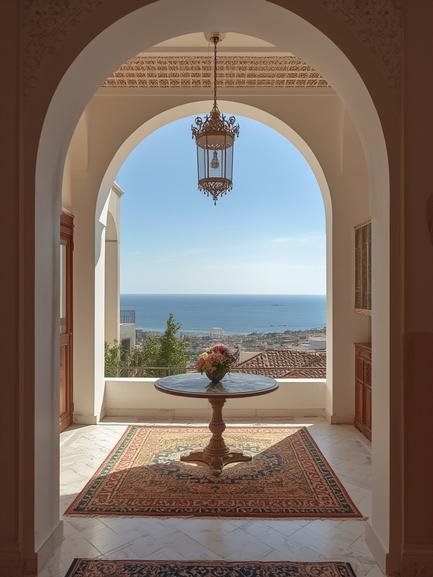 The Moroccan real estate market has experienced significant growth in recent years, driven by foreign investment and domestic demand. Prices vary across cities, with Tangier being a relatively affordable option compared to Marrakech or Casablanca. The average price per square meter in Tangier ranges from 8,000 to 15,000 MAD (approximately 800-1,500 EUR). Factors influencing prices include interest rates, economic conditions, and government regulations.
3.1 Price Trends in Major Cities
– Casablanca: High demand drives prices up, with averages ranging from 15,000 to 30,000 MAD/m².
– Marrakech: Tourism and foreign investment push prices up, with averages between 12,000 to 25,000 MAD/m².
– Tangier: A more affordable option, with prices ranging from 8,000 to 15,000 MAD/m².
– Rabat: Steady demand and limited supply drive prices up, with averages between 10,000 to 20,000 MAD/m².
4. Step-by-Step Buying/Selling Guide
To navigate the Moroccan real estate market, follow these steps:
1. Define your budget and search for properties.
2. Visit potential properties and assess their condition.
3. Negotiate the price and terms.
4. Sign a preliminary sales agreement (compromis de vente).
5. Conduct due diligence (verify ownership, check for debts, etc.).
6. Notarize the sale and register the property.
7. Pay the remaining balance and transfer ownership.
When buying a Villas in Tangier, consider factors like location, amenities, and resale value. For those investing in Luxury homes Morocco, research the local market and assess potential returns.
5. Renting & Rental Investment
Renting in Morocco can be a lucrative option for investors. Understand the different types of rental contracts (furnished vs. unfurnished) and the obligations of both tenants and landlords. To invest in rental property, consider factors like location, rental yields, and potential risks.
5.1 Rental Yields and Locations
– Tangier: Average rental yields range from 4-6% for apartments and 6-8% for villas.
– Marrakech: Average rental yields range from 5-7% for apartments and 7-10% for villas.
– Casablanca: Average rental yields range from 3-5% for apartments and 5-7% for villas.
6. Financing & Mortgages
Moroccan banks offer various financing options for property buyers. To secure a mortgage, you’ll need to meet certain requirements, such as a stable income, a significant down payment (typically 30-40%), and a good credit score. Interest rates vary between 4-6% per annum, and loan durations can range from 10 to 25 years.
7. Risks, Scams & How to Avoid Them
The Moroccan real estate market is not without risks. Be cautious of:
– Properties with unclear or disputed titles.
– Unpaid charges or debts associated with the property.
– Unrealistic prices or unregistered contracts.
To avoid these risks, work with reputable agents, verify property ownership, and ensure all documents are in order.
8. Future Outlook of the Moroccan Real Estate Market
The Moroccan real estate market is expected to continue growing, driven by tourism, infrastructure development, and foreign investment. Cities like Tangier and Marrakech are likely to remain popular destinations for property buyers and investors.
9. Conclusion
In conclusion, buying, selling, or renting property in Morocco requires a thorough understanding of the local market and regulations. For those interested in Villas in Tangier, the city’s unique blend of traditional charm and modern luxury makes it an attractive destination. As part of the broader Luxury homes Morocco market, Tangier offers a range of opportunities for investors and homebuyers. By following the steps outlined in this guide and seeking professional advice when needed, you can make informed decisions and navigate the Moroccan real estate market with confidence.
10. FAQs
Q1: What are the typical costs associated with buying a property in Morocco?
A1: Typical costs include the purchase price, registration fees (4-5% of the property value), notary fees (1-2%), and agency fees (if applicable).
Q2: How long does a property transaction typically take in Morocco?
A2: A property transaction can take anywhere from 2 to 6 months, depending on the complexity of the sale and the efficiency of the parties involved.
Q3: Is it a good time to buy property in Morocco?
A3: The Moroccan real estate market is subject to fluctuations. It’s essential to research current market trends and consult with a local expert before making a decision.
Q4: What precautions should foreigners take when buying property in Morocco?
A4: Foreigners should work with reputable agents, verify property ownership, and ensure all documents are in order. It’s also recommended to seek professional advice from a local lawyer or real estate expert.
Q5: What are the main taxes applicable to property ownership in Morocco?
A5: Property owners are subject to annual property taxes (taxe d’habitation or taxe foncière) and potential capital gains tax upon sale.
1 thought on “Villas in Tangier 5 Exclusive Gated Communities”