Discover the latest insights into Rabat Real Estate and 2026 property prices in Morocco. Stay informed about the Moroccan real estate market’s evolution, investment opportunities, and potential risks.
1. Introduction
The Moroccan real estate market is undergoing significant transformations, driven by economic growth, urbanization, and government policies. As a key player in this market, Rabat Real Estate is an attractive destination for investors and homebuyers alike. Understanding the trends shaping the market, including 2026 property prices, is crucial for making informed decisions.
2. Documents & Legal Requirements
To navigate the Moroccan real estate market effectively, it’s essential to understand the necessary documents and legal steps involved in buying, selling, or renting a property. These include:
– Title deed (_titre de propriété_): a document proving ownership.
– Sales agreement (_contrat de vente_): a preliminary contract outlining the terms of the sale.
– Notary (_notaire_): a public officer who authenticates documents and ensures compliance with the law.
– Land registry (_registre foncier_): a database recording property ownership and transactions.
– Taxes and fees: various charges, including registration fees, notary fees, and agency commissions.
Verifying property ownership and ensuring that all documents are in order is critical to avoiding legal issues.
3. Market Overview & Price Trends
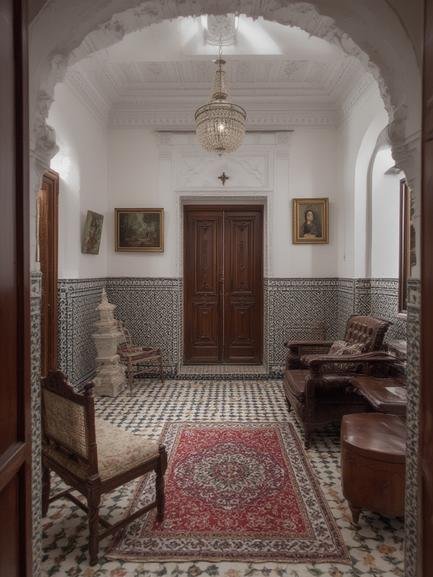
The Moroccan real estate market has experienced fluctuations in recent years, influenced by factors such as interest rates, economic conditions, and government policies. Cities like Rabat, Casablanca, Marrakech, and Tangier have distinct market dynamics. In Rabat, demand for housing remains steady, particularly in upscale neighborhoods. The average price per square meter in Rabat varies between MAD 8,000 and MAD 15,000, depending on the location and amenities.
4. Step-by-Step Buying/Selling Guide

1. Define your budget: Assess your financial situation and determine how much you can afford to spend.
2. Search for listings: Look for properties that match your criteria, using online platforms, real estate agents, or local classifieds.
3. Visit properties: Inspect properties to assess their condition, location, and potential.
4. Negotiate the price: Make an offer based on the property’s value and market conditions.
5. Sign a preliminary agreement: Outline the terms of the sale, including the price and payment schedule.
6. Notary procedures: The notary will authenticate the sale and ensure compliance with the law.
7. Payment and registration: Complete the payment and register the property in your name.
When buying or selling property in Rabat, understanding the local Rabat Real Estate market and staying informed about 2026 property prices can help you make a more informed decision.
5. Renting & Rental Investment
Renting is a popular option in Morocco, with both furnished and unfurnished apartments available. Rental contracts typically last one year, with a deposit equivalent to one or two months’ rent. Landlords are responsible for maintaining the property, while tenants are expected to pay rent on time and respect the terms of the contract. Investing in rental property can be lucrative, particularly in tourist areas or cities with high demand.
6. Financing & Mortgages
Moroccan banks offer various financing options, including mortgages with interest rates ranging from 4% to 6%. Borrowers typically need to contribute 20% to 30% of the purchase price. Banks assess borrower profiles based on income, credit history, and debt-to-income ratio.
7. Risks, Scams & How to Avoid Them
The Moroccan real estate market is not without risks. Common pitfalls include:
– Properties with unclear titles or disputed ownership.
– Unrealistic prices or hidden fees.
– Unregistered contracts or lack of transparency.
To avoid these issues, work with reputable agents, verify property documents, and ensure that all transactions are properly registered.
8. Future Outlook of the Moroccan Real Estate Market
The Moroccan real estate market is expected to continue evolving, driven by urbanization, economic growth, and government policies. Cities like Rabat and Casablanca will likely remain attractive destinations for investors and homebuyers.
9. Conclusion
The Moroccan real estate market offers opportunities for investors, homebuyers, and renters. Understanding the market dynamics, including trends in Rabat Real Estate and 2026 property prices, is essential for making informed decisions. By following the guidelines outlined in this article, you can navigate the market with confidence.
10. FAQs
1. What are the typical costs associated with buying a property in Morocco?
– The costs include registration fees (4% to 6% of the purchase price), notary fees (1% to 2%), and agency commissions (2% to 5%).
2. How long does a typical real estate transaction take in Morocco?
– The process can take anywhere from a few weeks to a few months, depending on the complexity of the transaction.
3. Is it a good time to buy property in Morocco?
– The decision depends on your financial situation, investment goals, and market conditions.
4. What precautions should foreigners take when buying property in Morocco?
– Foreigners should work with reputable agents, verify property documents, and ensure that all transactions are properly registered.