Discover the latest trends and opportunities in Moroccan real estate, particularly in Tangier New Developments, and learn how to navigate the market with confidence.
The Moroccan real estate market is gaining attention globally, driven by its strategic location, economic growth, and attractive investment opportunities. As Tangier New Developments continue to transform the city’s landscape, Off-plan projects are becoming increasingly popular among investors and homebuyers. In this article, we will explore the essential aspects of buying, selling, and renting property in Morocco, with a focus on the latest trends and future outlook.
1. Introduction
Morocco’s real estate market is experiencing significant growth, driven by various factors including tourism, foreign investment, and urbanization. The city of Tangier, in particular, is undergoing a major transformation with the emergence of Tangier New Developments, which are redefining the city’s skyline and attracting both local and international investors. Meanwhile, Off-plan projects are gaining popularity as they offer opportunities to buy properties at competitive prices before they are completed.
2. Documents & Legal Requirements
To buy, sell, or rent property in Morocco, it is essential to understand the necessary documents and legal requirements. The key documents include the title deed (also known as the “titre de propriété”), sales agreement, notary deed, and property registration documents. It is also crucial to verify the property’s ownership and check for any outstanding debts or charges. Working with a reputable notary and real estate agent can help navigate these complexities and avoid potential legal issues.
When buying a property, the notary plays a vital role in ensuring that the transaction is legitimate and that all necessary documents are in order. The notary will verify the seller’s ownership, check for any encumbrances, and draft the sales agreement. It is also recommended to conduct a thorough search at the land registry to confirm the property’s status.
3. Market Overview & Price Trends
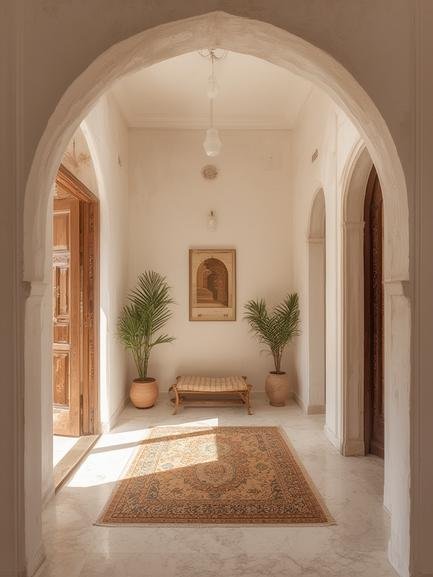
The Moroccan real estate market is characterized by varying price trends across different cities. Tangier, in particular, has seen significant growth in recent years, driven by its strategic location and the development of new infrastructure projects. The average price per square meter in Tangier’s city center ranges from MAD 8,000 to MAD 12,000 (approximately €730 to €1,100), while prices in new developments can be higher, ranging from MAD 12,000 to MAD 18,000 per square meter (approximately €1,100 to €1,650).
The demand for properties in Tangier is driven by both local and foreign buyers, with a particular interest in Tangier New Developments and luxury apartments. The rental market is also thriving, with yields ranging from 4% to 6% per annum for residential properties.
4. Step-by-Step Buying/Selling Guide
Buying or selling a property in Morocco involves several steps, from defining your budget to finalizing the transaction. Here’s a step-by-step guide to help you navigate the process:
1. Define your budget and identify your needs.
2. Search for properties that match your criteria.
3. Visit potential properties and assess their condition.
4. Negotiate the price and terms with the seller or agent.
5. Sign a preliminary sales agreement (also known as a “promesse de vente”).
6. Conduct due diligence on the property, including verifying its ownership and checking for any outstanding charges.
7. Finalize the transaction with a notary, who will draft the sales deed and ensure that all necessary documents are in order.
8. Register the property at the land registry to secure your ownership.
When buying a property in Tangier New Developments, it is essential to work with a reputable developer and ensure that the project is registered with the relevant authorities. Off-plan projects can offer attractive prices and potential for capital appreciation, but they also come with risks, such as delays or changes to the original plans.
5. Renting & Rental Investment
Renting is a popular option in Morocco, both for individuals and families looking for a place to live and for investors seeking to generate rental income. The rental market is characterized by a mix of furnished and unfurnished properties, with prices varying depending on location, size, and amenities.
When renting a property, it is essential to understand the terms of the rental contract, including the duration, rent, and deposit. Landlords are required to provide a habitable property, maintain it in good condition, and respect the tenant’s rights. Tenants, on the other hand, are expected to pay the rent on time, maintain the property, and not sublet it without the landlord’s consent.
6. Financing & Mortgages
Financing options in Morocco include bank mortgages, which are available to both residents and non-residents. To obtain a mortgage, you will need to meet the bank’s eligibility criteria, which typically include a stable income, a good credit history, and a sufficient down payment.
The interest rates for mortgages in Morocco vary depending on the bank and the borrower’s profile, but they generally range from 4% to 6% per annum. The loan duration can be up to 20 years, depending on the bank’s policies and the borrower’s age.
7. Risks, Scams & How to Avoid Them
The Moroccan real estate market is not without risks, including properties with unclear titles, unpaid charges, and unregistered contracts. To avoid these problems, it is crucial to work with reputable real estate agents, notaries, and lawyers who can guide you through the transaction.
Some common scams to watch out for include properties being sold without proper authorization, fake or unregistered developers, and inflated prices. To minimize these risks, conduct thorough research, verify the property’s status, and ensure that all necessary documents are in order.
8. Future Outlook of the Moroccan Real Estate Market
The Moroccan real estate market is expected to continue growing in the medium term, driven by urbanization, tourism, and investment in infrastructure. Tangier New Developments are likely to remain a key driver of growth, with ongoing projects transforming the city’s landscape and attracting new investors.
9. Conclusion
In conclusion, the Moroccan real estate market offers a range of opportunities for buyers, sellers, and investors. Tangier New Developments are a significant aspect of this market, with their potential for capital appreciation and rental income. Meanwhile, Off-plan projects continue to attract investors looking for competitive prices and potential for growth. By understanding the market trends, legal requirements, and potential risks, you can make informed decisions and navigate the Moroccan real estate market with confidence.
10. FAQs
Q: What are the typical costs associated with buying a property in Morocco?
A: The typical costs include the purchase price, notary fees (around 1% of the purchase price), registration fees (around 4% to 5% of the purchase price), and agency fees (usually around 3% to 5% of the purchase price).
Q: How long does a real estate transaction take in Morocco?
A: The duration can vary depending on the complexity of the transaction, but it typically takes around 2 to 3 months from signing the preliminary sales agreement to finalizing the transaction with a notary.
Q: Is it a good time to buy property in Morocco?
A: The decision to buy depends on your individual circumstances and investment goals. Currently, the market offers attractive opportunities, particularly in Tangier New Developments and other growth areas.
Q: What precautions should foreigners take when buying property in Morocco?
A: Foreigners should work with reputable real estate agents and notaries, conduct thorough due diligence on the property, and ensure that all necessary documents are in order. It is also recommended to seek advice from a local lawyer or real estate expert.
Q: What are the main taxes to consider when buying or selling property in Morocco?
A: The main taxes include registration fees (around 4% to 5% of the purchase price), value-added tax (VAT) for new properties, and capital gains tax when selling a property. It’s essential to consult with a tax advisor to understand the specific tax implications of your transaction.
1 thought on “Tangier New Developments 8 Under-Construction Projects”