Tangier Real Estate 2025: 7 Essential Insights for Buyers and Investors
Morocco’s real estate market has been gaining attention from international investors and individuals looking for a foothold in the African continent. As part of this trend, Tangier Real Estate has become a focal point due to its strategic location and economic growth. Understanding the intricacies of the Property market Morocco is crucial for making informed decisions.
1. Introduction
The allure of Moroccan real estate lies in its potential for long-term growth, driven by a combination of tourism, foreign investment, and local demand. As Tangier Real Estate continues to develop, it’s essential to grasp the broader context of the Property market Morocco. With its unique blend of cultural heritage and economic opportunity, Morocco offers a compelling case for property investment.
2. Documents & Legal Requirements
To navigate the Moroccan real estate market effectively, it’s crucial to understand the legal framework. Essential documents include:
– Title deed ( titre de propriété )
– Sales agreement ( compromis de vente )
– Notary deed ( acte notarié )
– Land registry extract ( extrait du registre foncier )
– Proof of identity and residency for foreigners
Property ownership verification is a critical step to avoid legal issues. This involves checking the property’s title deed and ensuring it’s registered with the land registry. Buyers should also be aware of any outstanding debts or charges on the property.
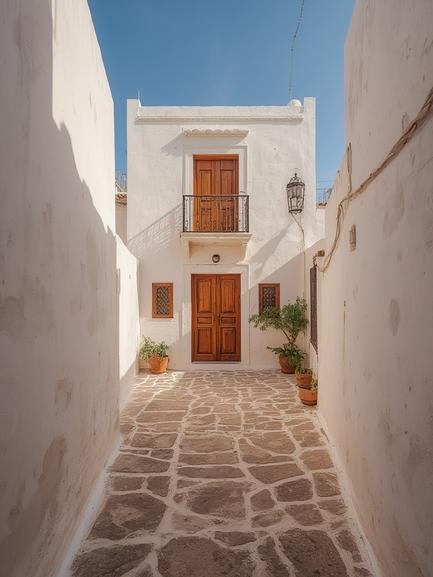
3. Market Overview & Price Trends
The Moroccan real estate market has seen fluctuations in recent years, influenced by economic conditions, government policies, and global events. Cities like Marrakech and Tangier have experienced significant demand, driving up prices. For example, Tangier’s average property price has risen by around 10% annually over the past five years, with prime locations reaching upwards of MAD 15,000 per square meter.
4. Step-by-Step Buying/Selling Guide

1. Define your budget and financing options.
2. Search for properties that meet your criteria.
3. Visit potential properties and assess their condition.
4. Negotiate the price and terms with the seller.
5. Sign a preliminary sales agreement ( compromis de vente ).
6. Conduct due diligence on the property.
7. Finalize the purchase with a notary deed.
When buying in Tangier Real Estate, it’s essential to understand the local Property market Morocco dynamics to make an informed decision.
5. Renting & Rental Investment
Renting in Morocco can be a viable option for both locals and foreigners. Rental contracts typically last one year and include a deposit equivalent to one or two months’ rent. Landlords are responsible for major repairs, while tenants cover minor maintenance. For investors, rental yields in cities like Tangier can range from 5% to 7%, depending on the location and property type.
6. Financing & Mortgages
Moroccan banks offer various mortgage options, with contribution requirements typically ranging from 20% to 30% of the property’s value. Interest rates vary between 4% and 6%, and loan durations can extend up to 20 years. Borrower assessment includes credit history, income stability, and the property’s value.
7. Risks, Scams & How to Avoid Them
Common pitfalls in the Moroccan real estate market include properties with unclear titles, unregistered contracts, and unrealistic prices. To mitigate these risks, buyers should work with reputable agents, conduct thorough due diligence, and ensure all agreements are formalized with a notary.
8. Future Outlook of the Moroccan Real Estate Market
The Moroccan real estate market is expected to continue its growth trajectory, driven by infrastructure development and tourism. Cities like Tangier, with its strategic port and industrial zones, are poised for further investment. However, potential buyers and investors should monitor economic indicators and government policies that could impact the market.
9. Conclusion
In conclusion, navigating the Moroccan real estate market, including Tangier Real Estate and the broader Property market Morocco, requires a deep understanding of legal, financial, and market dynamics. By staying informed and seeking professional advice when necessary, buyers, sellers, and investors can make the most of the opportunities available in this vibrant market.
10. FAQs
1. What are the typical costs associated with buying a property in Morocco?
– Typical costs include the purchase price, notary fees (around 1% to 2%), registration fees (around 4% to 5%), and agency fees (usually 3% to 5% of the sale price).
2. How long does a real estate transaction typically take in Morocco?
– The process can take anywhere from a few weeks to several months, depending on the complexity of the transaction and the efficiency of the parties involved.
3. Is it a good time to buy property in Morocco?
– The decision to buy depends on individual circumstances and market conditions. Currently, prices are relatively stable, making it a good time for informed buyers.
4. What precautions should foreigners take when buying property in Morocco?
– Foreigners should ensure they work with reputable agents, understand the legal requirements, and conduct thorough due diligence on the property.
5. What are the main taxes applicable to real estate transactions in Morocco?
– Main taxes include registration fees (around 4% to 5% of the property’s value) and value-added tax (VAT) on new constructions.